HOME • ASSISTED PUBLISHING • JOIN MAILING LIST
______________________________________
NEW FROM FEARLESS ASSISTED PUBLISHING:
Healing becomes possible when what was carried in silence across generations is finally heard.
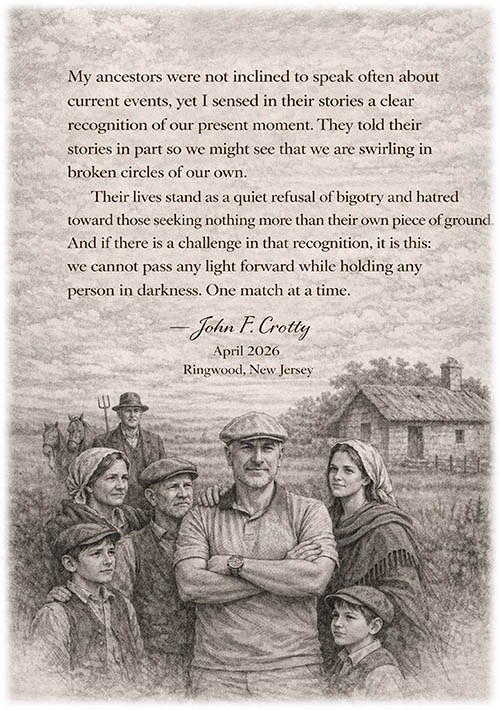
The Ground Between Us follows three generations of one family living as tenant farmers on twenty acres of boggy land in County Mayo. Rooted in the townland of Woodfield, their lives were marked by hunger and hard choices in nineteenth and early-twentieth century Ireland. Across years of scarcity and turmoil, some family members left for America when the land failed, while others stayed still bound to it.
The narrative draws on historical and family records, local research, and an unconventional source: Andrea Hubert, an Irish medium. Through her, voices missing from records surfaced, often corroborated by family archives and historical facts. The result is a remarkable record of tenacity and courage previously lost to time.
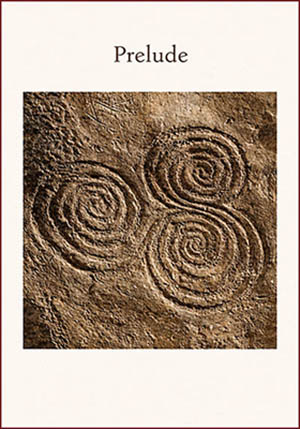
The author’s return to Woodfield became an act of listening. By standing where these lives unfolded and attending to what emerged, he encounters what the records alone could not reveal. The Ground Between Us explores the bonds between land and family, past and present, and this world and the next. (See Prelude.)
_______________________
Published by Skyline Lake Press in collaboration with Fearless Literary
Paperback • ISBN 979-8-234-16946-4 • 112 pages • $14.95 • ebook in full color: $9.95






_________________________
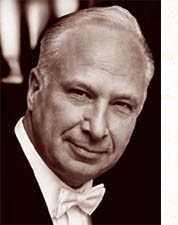
JOHN F. CROTTY is a writer, student of history, and long-time maritime professional with a particular interest in family history and genealogy. After a 45-year career in the maritime industry, he is now devoting more time to writing. His essays have appeared in published collections, and he is the author of two independently published books, including Hey I’m Alive, which was accepted into the Library of Congress collection. The Ground Between Us is his first major work of literary nonfiction.
____________________________________
The Irish favor circles and spirals that suggest continuity, unity, and connection across time. From ancient stone circles in the Burren to the spirals at Newgrange, circular motifs mark what words cannot: birth and death, leaving and return, the living, and the dead.
The circle predates language. It is a curve that returns to itself, a line without end. In Irish tradition, it is a threshold.
Circles appear on stones, in rituals, in fields as rings of stones, or spirals in sand. They mark where the visible and invisible meet.
This reflects a worldview where life is not a straight line from the past but a continuous movement of return and renewal.
To stand in a circle is to stand in a form that endures, held by those before. Each chapter begins with a circle, marking a passage — a shape echoing the way my ancestors encircled me in the dream.
This is also the story of a field. I walked into the past to find them there. They stepped forward to meet me.
Together, we closed a circle. This is how the Irish mark time and memory. This is how this story will be told.
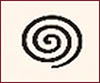
The Celtic Spiral draws us inward, carved into the stones at Newgrange — a symbol of the soul’s invitation to listen.
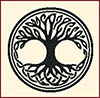
The Celtic Tree of Life embodies balance, connection, and continuity. Its branches reach skyward; roots anchor deep in the earth — linking generations above and below.
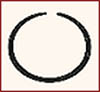
The Open Circle, left deliberately incomplete, marks a threshold — an entryway from one world to another — in ancient rituals and pilgrimage paths.
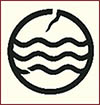
The Broken Ring, with its continuity cut, marks rupture — reflecting famine, forced departure, and the breaking of families.
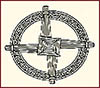
Brigid’s Cross, woven from rushes and placed above the door, is a threshold of protection — binding the household through seasons of hunger and oppression.